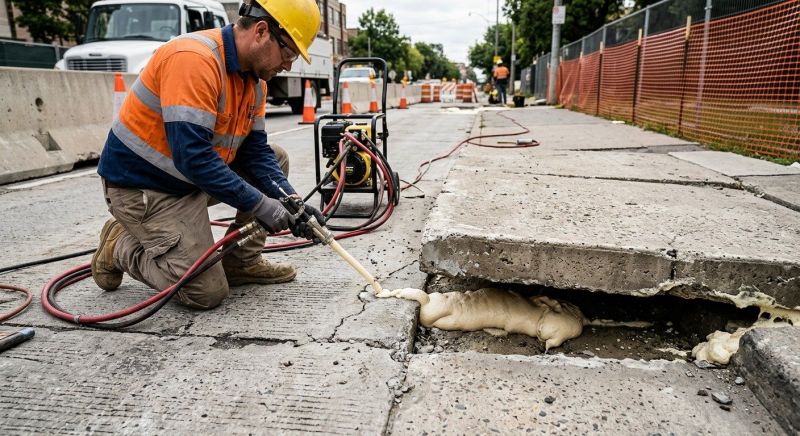
Void Filling in West Des Moines, IA
Void filling services involve the process of filling gaps or empty spaces within walls, floors, or other structural areas of a property. This service is commonly requested for projects such as repairing damaged drywall, sealing gaps around pipes or electrical outlets, or restoring areas after plumbing or electrical work. Property owners typically seek void filling to improve insulation, prevent pest entry, reduce drafts, or enhance the overall stability and appearance of a space. Understanding the specific location and size of the voids, as well as the materials involved, helps determine the most appropriate filling method and materials for the project.
Before requesting void filling services, property owners should consider the extent of the gaps or cavities needing attention and whether any underlying issues, such as water damage or structural problems, need to be addressed first. It is also helpful to know the types of surfaces involved and the purpose of the filling-whether for insulation, pest prevention, or aesthetic reasons. Clear information about these factors can assist in selecting the right approach and ensure the finished work meets the property’s needs effectively.
Many property owners in West Des Moines, IA look into Void Filling for repairs, replacements, upgrades, and appearance-related improvements.
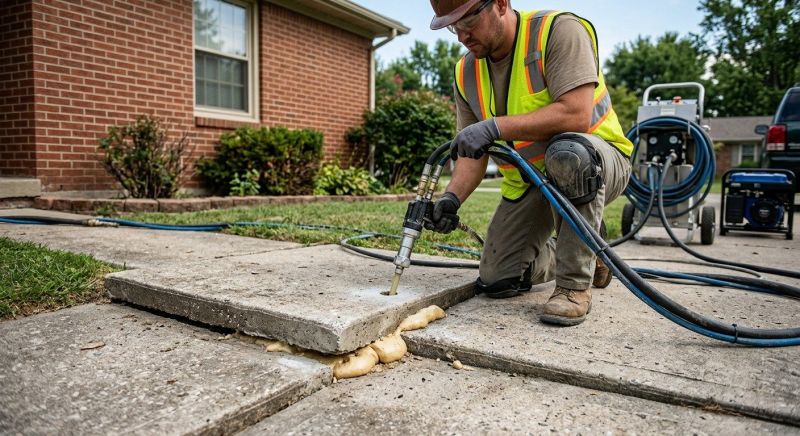
Foundation And Wall Repairs
Void filling helps stabilize foundations and prevent structural issues in residential and commercial properties.
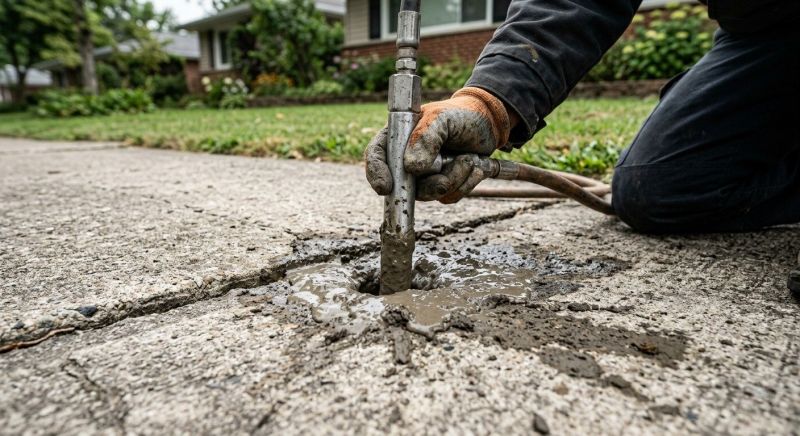
Basement And Crawl Space Enhancement
Filling voids under slabs or in crawl spaces can improve insulation and reduce moisture problems.
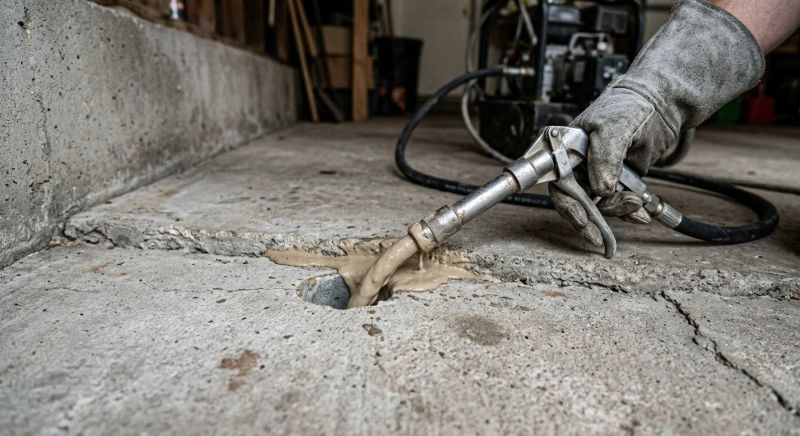
Post-Construction And Excavation Support
Void filling is essential for filling gaps left after construction or excavation to ensure stability and safety.
Void Filling in West Des Moines, IA

Void filling services involve the process of filling gaps or empty spaces within walls, floors, or other structural areas of a property. This service is commonly requested for projects such as repairing damaged drywall, sealing gaps around pipes or electrical outlets, or restoring areas after plumbing or electrical work. Property owners typically seek void filling to improve insulation, prevent pest entry, reduce drafts, or enhance the overall stability and appearance of a space. Understanding the specific location and size of the voids, as well as the materials involved, helps determine the most appropriate filling method and materials for the project.
Before requesting void filling services, property owners should consider the extent of the gaps or cavities needing attention and whether any underlying issues, such as water damage or structural problems, need to be addressed first. It is also helpful to know the types of surfaces involved and the purpose of the filling-whether for insulation, pest prevention, or aesthetic reasons. Clear information about these factors can assist in selecting the right approach and ensure the finished work meets the property’s needs effectively.
Many property owners in West Des Moines, IA look into Void Filling for repairs, replacements, upgrades, and appearance-related improvements.
Common Void Filling Jobs
Void Filling Services - Filling gaps and holes to improve insulation and energy efficiency.
Wall Repair - Sealing cracks and cavities in interior or exterior walls.
Foundation Filling - Addressing gaps around basement or foundation areas to prevent drafts.
Ceiling and Attic Filling - Closing gaps in attics or ceilings to enhance temperature control.
Floor and Basement Filling - Filling voids under flooring or in basement walls for stability.
Structural Void Filling - Reinforcing and stabilizing areas with hidden gaps or cavities.
Void Filling Questions
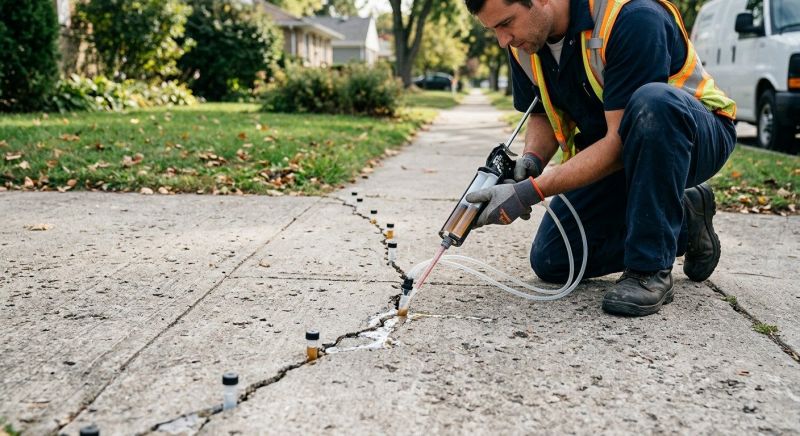
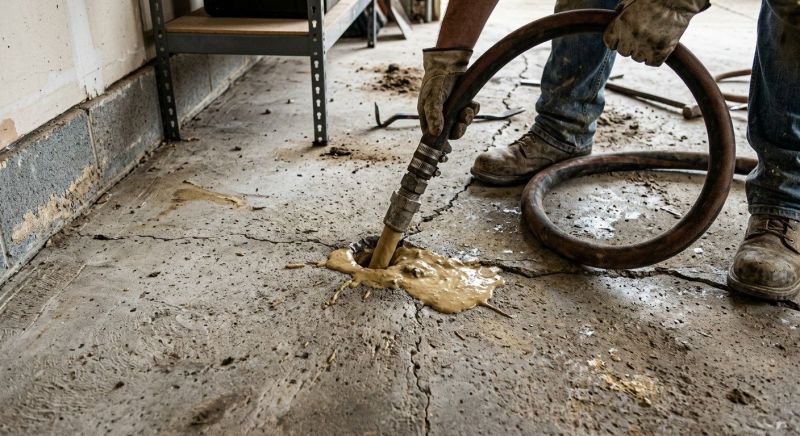
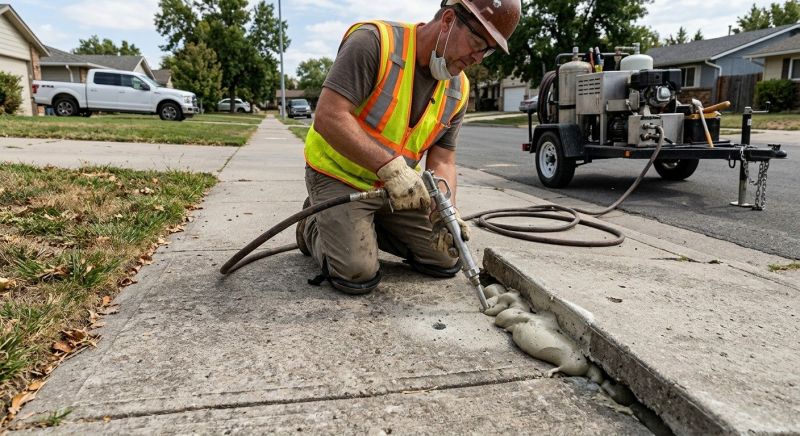
What is void filling used for? Void filling is used to stabilize and support structures by filling gaps or empty spaces beneath foundations, slabs, or other surfaces.
Which projects typically require void filling? Common projects include repairing uneven concrete slabs, stabilizing walkways, and reinforcing areas around foundations or retaining walls.
What materials are used for void filling? Materials such as foam, grout, or specialized fillers are often used to fill voids depending on the project requirements.
Is void filling suitable for both indoor and outdoor applications? Yes, void filling can be applied in both indoor and outdoor settings to improve stability and prevent settling issues.
Request Void Filling in West Des Moines, IA
Use the quote form on this page to share the basics of your project and request more information for the type of work you need.